top of page
InBody is the global leader in Body Composition Analysis. I contributed to designing software that bridges dietitians with these advanced machines, facilitating a potent connection for enhanced health and nutrition management.
My role
UX research,
High-Fidelty Prototyping
Results
Crafted an innovative software solution enabling dietitians to seamlessly harness data from InBody Machines, empowering them to prescribe with precision for their patients' wellness journeys.

What does InBody do?
If you're curious about what InBody machines are, you're not alone—I had the same question when I first began my journey. These devices resemble your typical weighing scales, but they're far more advanced. Upon stepping on them, you receive detailed evaluations that go way beyond the capabilities of an ordinary scale
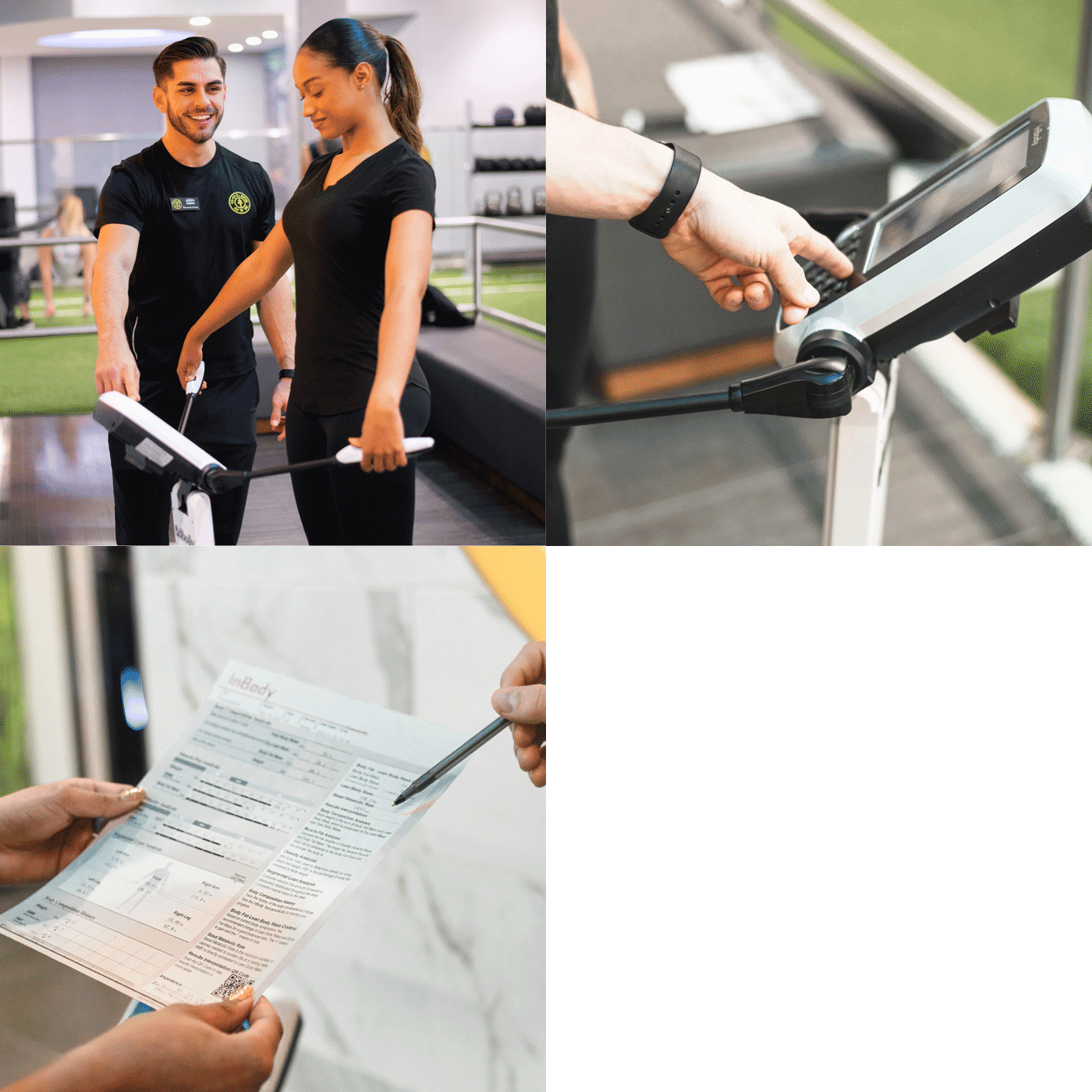
They delve into specifics like your muscle mass, overall body fat, protein levels, and even your body's water content. Based on these intricate details, the machine then assigns you a comprehensive score.

Inbody machine result sheet
Ideation session
In a creative brainstorming session with the Managing Director, we reimagined our software, transforming it from a mere display tool for InBody result sheets into a comprehensive solution for dietitians. This discussion sparked innovations that significantly broadened the project's scope.
First roadblock
I was told to start designing right away as soon as I joined the company. If you know me you would know that almost gave me an anxiety attack as I was onboarded as a ux researcher and designer and here I was getting denied research.
I decided to take matters into my own hands. I made friends with the marketing team and I asked for the number sheet of dieticians. I would spend my after work hours driving down to the dieiticians office and spend whatever time I had talking to them understanding the field of diet and healthy eating.
I successfully gathered information from 15 of the nation's leading dieticians.
What I learnt from these contextual enquiries
1. Usage of an SGA form
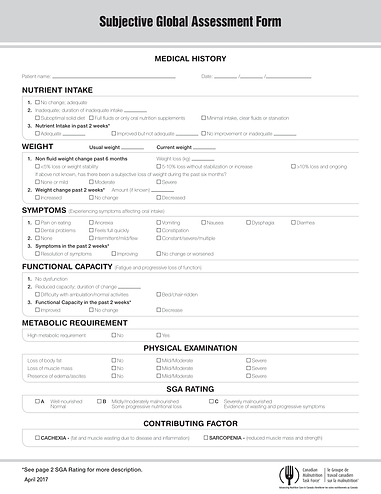
Typically, a client's visit starts with a physical exam, followed by a body composition analysis. After this, dietitians use an SGA (Subjective Global Assessment) form, a checklist to identify any nutritional anomalies, before prescribing a dietary plan.
-1.png)
-2.png)
2. The Landscape Mode Phenomenon
A striking habit stood out during my interaction with the dietitians: they exclusively used their tablets in landscape mode, avoiding the switch to portrait. This unanimous and deliberate preference was confirmed when I double-checked with each individual.

3. Dietician's ABCs
In talks with dietitians, I learned about their "ABC method." It includes "Anthropometry" for body measurements like BMI, "Biochemistry" for internal health checks through blood tests, and "Clinical Assessment" for a full lifestyle review. This approach helps them thoroughly understand a person's health to give the best dietary advice.
The Design Saga Commences!
In a bold move, I quickly crafted a paper wireframe, mirroring the look of a doctor's diagnostic report to spark familiarity among users. This fresh approach deviated from my past work, offering me thrilling creative control within our design system's limits. It was a careful dance between innovation and tradition, leading to a unique, user-focused design.

Following extensive brainstorming, I crystallized my ideas into a coherent wireframe, a pivotal step that brought logic and clarity to the design. The strategic use of light gray lines, precisely two points wide, served as subtle dividers between interactive elements. This deliberate choice not only enhanced the design's visual cohesion but also bolstered user-friendliness, presenting a compact yet intuitive layout.
Problems vs solutions through prototyping
Dieticians are burdened with using about five different methods to check and track patients, making their work complicated and sometimes unreliable.
Dieticians had to sift through extensive paper records to access patients' medical histories, a time-consuming process prone to inefficiencies and potential oversights.
Dieticians appreciated the device but grappled with its cost, questioning the rationale of investing two to three lakhs in equipment that mirrors the functionality of systems priced at merely ten thousand. They sought a distinctive edge for this product and its software to justify its value against market competitors.
I streamlined the process by developing one integrated application that encompasses all the functionalities previously spread across five separate tools.
In the digital solution, patient details and past records are readily available, requiring just a couple of clicks, replacing the cumbersome manual paperwork.
We added new features and insights to make the product worth the extra cost, keeping it easy to use.

Client report view of a dietician
I've always aimed to create impactful designs, and my work with InBody, a leader in Body Composition Analysis, embodied that. This journey wasn't without its obstacles, especially during the user research phase. The dieticians' packed schedules meant that I sometimes waited 4-5 hours outside their offices for brief 15-minute conversations. Nonetheless, it was a rewarding project.
The true highlight came from the unique opportunity to work closely with InBody's Managing Director. His hands-on approach and deep dive into design specifics and brainstorming sessions significantly enriched my internship experience.
bottom of page